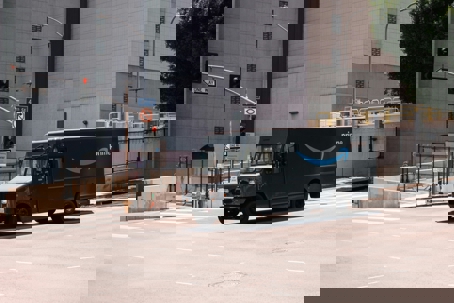
When a cyclist or pedestrian collides with an Amazon-branded vehicle on New York streets, the legal aftermath is rarely simple. What appears to be an "Amazon" vehicle is often not. That vehicle is owned and operated by a third-party contractor that is part of Amazon’s Delivery Service Partner (DSP) system. This network of Flex drivers, Hub Delivery partners, and DSP companies is structured not only for logistics but also to distance Amazon from crash liability. The Illusion of Independence: Amazon does not typically contract with established delivery companies. Instead, it encourages the creation of new limited liability companies called DSPs. These businesses must use generic names and follow Amazon’s rules, which cover hiring practices, uniforms, and grooming standards. Amazon also controls the vans, the technology used for routing, and many daily procedures. Despite this level of control, the companies are labeled as "independent contractors". This arrangement creates a legal barrier that often forces crash victims to file claims against the small contractor rather than Amazon itself. Why It Matters for All Road Users: Under the legal doctrine of 'respondeat superior" New York law usually holds employers and vehicle owners responsible for the actions of their drivers. Amazon’s structure complicates that principle. Each DSP carries about $1 million in insurance coverage, but Amazon’s larger financial resources often remain legally out of reach in the most serious of crashes. This can happen even when Amazon exercises significant control over drivers and delivery operations. For injured cyclists, pedestrians, or motorists, this structure can create additional legal obstacles and may limit potential compensation. What You Should Know: If you are involved in a crash with an Amazon delivery vehicle, especially in New York City or Long Island, early investigation is critical. It is important to determine which company actually employed the driver and owned the vehicle involved. The Amazon logo on the van does not always identify the responsible party. The real decision maker may be hidden behind layers of corporate structure. Greater transparency and accountability from large logistics companies are essential for safer streets and fair outcomes for crash victims. |